Green Freight Innovation Forum

Canada’s transport sector faces increased pressure from governments and customers to reduce fleet emissions significantly. In particular, national and international concerns about climate change and greenhouse gas emissions result in many new policy and tax initiatives. While governments are increasing taxes and regulations, which is now hitting the bottom line for many transport companies, customers continue to demand cost-effective and timely service but are asking for improved emissions performance.

The Trucking Network has been helping transport firms stay effective and profitable for many years. In presenting our first Green Freight Innovation Forum, we are continuing that tradition while helping to give the transport industry tools to meet the emissions challenge.
The Forum will provide the transport industry with practical options to reduce emissions today and provide a glimpse into solutions that may be available very soon. We have sought out experts and vendors with innovative solutions and technologies available right here. These include small technologies as well as some big technologies. No matter the size of your operations, there are technologies and solutions that match your needs.
As you will learn from the panelists and vendors, fuel savings can significantly impact emissions.Technologies that improve efficiency can be installed in most truck chassis. While fuel-saving tech maybe the first step for some, fleet owners should consider that improvements are stackable whentechnologies combine.
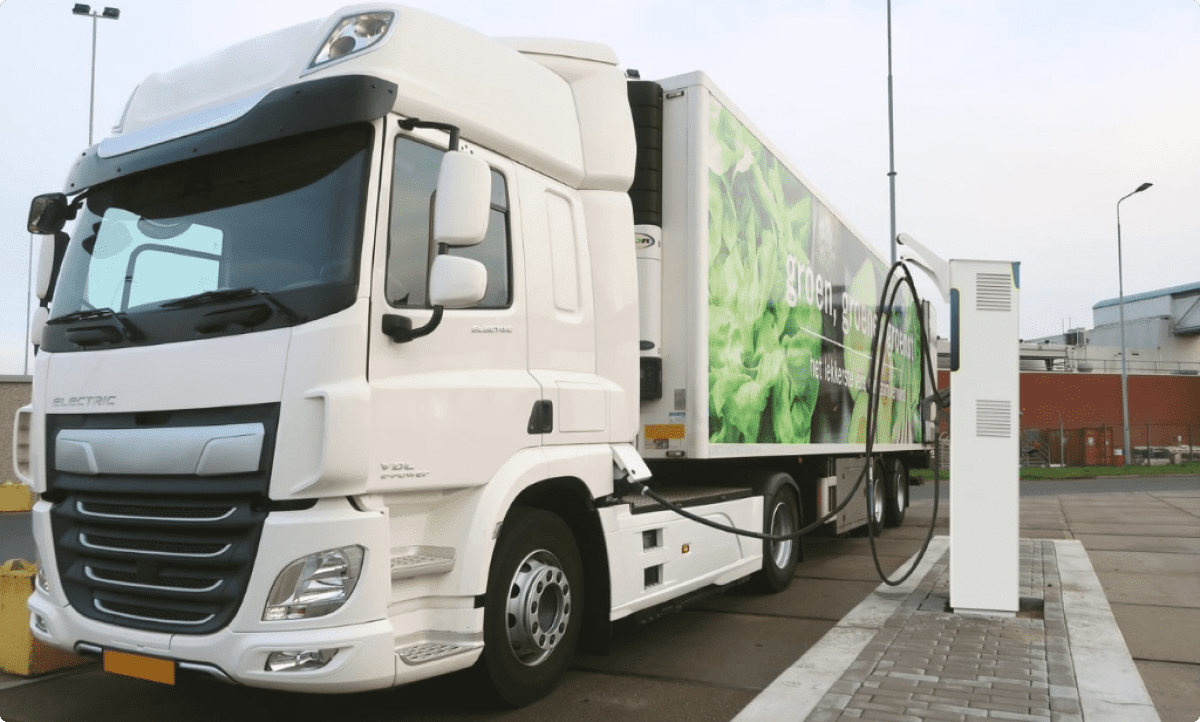
Switching to lower emissions fuels is a more profound step that fleets should consider. Exploring new clean fuels like natural gas, propane, hydrogen, and electricity can be an even deeper step that fleets may consider. Finally, combining an array of tech and clean fuels to reduce transport emissions and carbon intensity is the ultimate objective that an aspiring green fleet ought to consider while some technologies are more expensive than conventional diesel power, many can reduce O&M Finding cost savings while reducing emissions impacts requires a good analysis of your fleet activities and a realistic assessment of available technologies. In addition to product vendors, we have assembled experts on transport analysis who will discuss how to do this but will also be on hand to provide additional information. Understanding your operations better is a critical requirement to reduce emissions successfully.
For those technologies that are more costly than conventional diesel power, representatives fromNatural Resources Canada (NRCan) will present an overview of funding opportunities for transport emissions reductions—understanding how our government is supporting leaders in transport. Lobbying governments and ensuring they understand what our industry needs is a task for another day. While we know governments need to do more to support our industry, some programs are available today to help.
Recognizing that global and North American truck manufacturers need to produce products that comply with regulations in several countries, it is valuable to understand how the emissions reduction policy in the United States and California will impact the Canadian transportation market. We are exceptionally fortunate to have a lunch time presentation from Paccar Canada that will provide an excellent overview of these less well-known regulatory changes. The existence and acceptance of the EPA and CARB standards mean that the Canadian truck market will need to roll out solutions simultaneously compliant
Green Freight Innovation Forum in US jurisdictions. As such, Transport Canada must design policy that mediates customer’s needs for cost-effective range of products with the highest regulatory standards being contemplated or enforced.This presentation will be very insightful for Canadian transport firms as they consider current and future technologies needs.
OEMs will provide an overview of available products that will allow the transport sector to find costs andemissions reductions. With years of hands on experience and successful deployments panelists willprovide an overview of what it takes to be successful. There are an exciting array of new technologiesthat will enter the transport market over the next decade, and we will get a glimpse into some of theseat the Forum.
Its not just the global manufactures who are leading on emissions reductions. We have also curated a panel of small business who are working right here in the Ontario market, who have years of successfulexperience in helping transport fleets meet their goals and who have accessible products and solutionsfor your fleet. These companies are deeply invested in your success and can be partners as youtransition to a lower-cost and lower-emissions fleet.
Last but not least, we have brought together a panel of experts to help you evaluate your operationsand select the right technologies for your fleet. With a global reach, these experts are all located here in Ontario. We are fortunate to have industry leaders with a strong track record in supporting fleets, andthey will provide an overview of how to chart your path.
The Green Freight Innovation Forum is an event that you should attend. All the panelists and experts will be on hand throughout the day so you can learn more or have a private consultation about your fleet’sparticular needs.

Renewable Energy Revolutionize

With the imperative to mitigate greenhouse gas (GHG) emissions looming large, the future of green freight presents an opportunity to bring forth innovative and sustainable solutions. Embracing a multifaceted approach that integrates renewable energy, cutting-edge technologies, and eco-conscious materials, freight transportation is undergoing a remarkable transformation, promising a cleaner and greener future.

At the heart of this evolution lies the integration of battery-electric power into freight operations, and in particular, refrigerated transport units (TRUs), which represents 30% of all goods transported over the road. The convergence of solar power and electromobility in refrigerated freight stands out as a game-changer, offering not only environmental benefits but also addresses practical challenges like battery longevity, weight reduction, reduced fuel and operating costs and reduced GHG emissions.
While hybrid electric options currently exist for TRU companies, the electric power is charged at the grid and diesel operates when the load is in transit. Battery Electric Vehicles (BEV) enable TRUs to operate on the road, but solar powered BEV allows for much smaller batteries and provides a significant buffer for self-sustaining power. By supporting battery life using solar power, battery weight is reduced, and cost is reduced.
One of the primary concerns in the adoption of electric vehicles (EVs) for freight transportation is range anxiety – the fear of running out of battery charge before reaching the destination. This apprehension is particularly pronounced in refrigerated transport, where maintaining optimal temperatures for perishable goods (food, medical supplies, pharmaceuticals, chemicals and hazardous materials) is paramount. Solar-powered electromobility technologies provide a reliable and sustainable source of energy to keep the batteries powering the refrigerated units,
charged on the go. By harnessing the power of the sun, refrigerated trucks can overcome range limitations and operate seamlessly across long distances, without the need for frequent recharging stops. The integration of solar power contributes to maximizing battery life and efficiency. This not only prolongs battery life but also enhances overall vehicle reliability and performance, ensuring smooth and uninterrupted freight transportation.
But the quest for sustainability extends beyond renewable power sources to encompass material innovation. For example, 3D printing emerges as a transformative force, offering a sustainable alternative to traditional manufacturing processes. By utilizing recycled plastics as feedstock, 3D printing technologies enable the production of lightweight and durable components, minimizing resource consumption and waste generation, not only reducing the carbon footprint of freight vehicles, but also fostering a circular economy by repurposing plastic waste into valuable assets.
Lightweight composites present a compelling solution to the perennial challenge of weight optimization, especially in refrigerated transport, where weight equals dollars. By leveraging advanced lightweight panel materials, manufacturers can significantly reduce vehicle weight without compromising structural integrity. This translates into enhanced fuel efficiency and lower emissions, as vehicles require less energy to propel their lighter payloads. As such, lightweight composites represent a cornerstone of sustainable freight, offering a win-win solution for both businesses and the environment.
Alongside material innovation, in-house solar panel lamination techniques play a crucial role in driving sustainability and job creation. By bringing lamination processes in-house, companies can streamline production workflows, minimizing transportation-related emissions, and create local employment opportunities. In Canada, where the green economy is poised for exponential growth, investing in and nurturing a skilled workforce fosters domestic manufacturing and catalyzes the transition towards a low-carbon future.
Finally, the realization of the full potential of green technology in refrigerated transport requires concerted efforts from all stakeholders. Governments must enact supportive policies and funding opportunities to incentivize investment in renewable energy in non-motive power. Refrigerated trailers are essential equipment. The value of transport is in the load, or, what is carried in the trailer. While government supports battery electric vehicles, nothing as such supports the refrigerated trailer, which is where the innovations need to happen. Industry players must collaborate to develop and deploy standardized solutions that meet the unique needs and requirements of freight and in particular, refrigerated transport.
Refrigerated freight solutions are paramount – as paramount as solutions for charging infrastructure – and adoption of innovative solutions will not happen until this is addressed.

Seven Benefits of Using GPS Equipment Tracking

The transportation industry continues to grow ever more competitive, while concurrently facing mounting supply chain disruptions, congestion, parts and supply shortages, as well as ongoing labor shortages. While some of these challenges are beyond the control of fleet managers, others can be overcome through embracing and investing in transportation technology such as GPS asset-tracking devices. Here are the top seven benefits of using GPS equipment tracking for transportation businesses:

1. Real-Time Visibility of Assets and Equipment
The most obvious benefit of using GPS equipment tracking lies in the ability to see the specific location of each asset. Whether you’re looking for exact locations of trailers, cargo containers, or railcars, GPS tracking pinpoints each asset so that you know where it is in their journey, or if it’s sitting idle. Knowing exactly where each asset is at any given time, allows you to make adjustments such as rerouting to avoid congestion, adding a stop to load additional cargo, scheduling preventive maintenance, and keeping customers informed of estimated arrival times.
2. Insights for Fleet Managers
GPS equipment tracking allows fleet managers to create custom reports, which can provide greater insight into areas for cost savings. GPS tracking devices such as BlackBerry Radar® even provide multiple readings from a single device. In addition to providing fleet managers with accurate mileage, dozens of custom reports can be generated with a couple of clicks on a keyboard or phone. Reports can include mileage trends, cargo utilization, fleet utilization, dwell and detention times, and much more. This allows managers to identify areas of strength and illuminate weaknesses that need to be fortified.
3. Improve Fuel Usage
With fuel prices soaring to record highs, maximizing fuel usage is a priority for all fleet managers. GPS tracking devices can provide satellite images of each asset so that you can route drivers around congestion that would otherwise have them sitting idle, wasting fuel and time.
4. Reduce Operational Costs
Real-time visibility and improved insights help to significantly reduce operational costs. Implementing automation through tracking software often means that you don’t have to hire another back-office employee. You can ensure you’re billing accurately for dwell and detention, maximize fuel usage, and reduce wasted operator time, thus improving operator satisfaction and reducing turnover. Additionally, utilizing GPS equipment tracking may include the additional advantage of earning you an insurance discount, further reducing your operating costs.
5. Improved Safety
GPS tracking allows for pre-scheduling of all maintenance, including selecting the service center most convenient to a particular route. This reduces the likelihood of breakdowns and reduces wasted time, while ensuring that equipment is well-maintained and safe. Moreover, custom reports can alert you to drivers or operators who are compromising safety by exceeding speed limits or logging too many miles per day.
6. Rapid Response to Theft
GPS tracking devices that are equipped to send open/close alerts can notify you instantly of attempted theft. Authorities can be notified immediately to recover your railcar, trailer, and even cargo.
7. Greater Customer Satisfaction
Real-time departures and tracking of each shipment’s journey allows you to manage expectations and provide timely notification to your customers of early arrivals, or unexpected delays. Improved communication with customers based on knowing the precise location of each shipment or asset offers the additional benefits of building trust and strengthening relationships.
Bringing the Benefits of GPS Equipment Tracking Home to Your Fleet
Remember these seven benefits when you’re considering upgrading or expanding your fleet’s GPS-tracking capabilities, and when you’re searching for a qualified provider to help you take advantage of the latest advances.
When the time is right to make your move, we hope you’ll consider BlackBerry Radar, which can collect up to 100 times more data than basic GPS equipment tracking devices. BlackBerry® asset-tracking devices for railcars, cargo containers, chassis, equipment, and trailers can easily integrate with other transportation management systems.

Securing Canada’s Trucks

The Canadian trucking industry, a vital component of the nation’s economy, has been facing significant challenges in recent years. Among all the challenges, the rise of theft and fraud can quickly become a concern.

Driven by factors such as fluctuating fuel prices, inflation, and global trade disruptions, economic uncertainty has put immense pressure on the trucking industry. Carriers are struggling to maintain profitability while navigating these volatile conditions. This financial strain has inadvertently created an environment where theft and fraud can thrive.
Theft of Equipment, Cargo, and Fraudulent activities
In economic uncertainty and inflation, a concerning trend is the increase in theft of equipment and cargo. High-value items such as electronics, pharmaceuticals, consumer goods, aluminum, and copper for example, could become prime targets for thieves. These crimes not only result in significant financial losses but also disrupt supply chains, causing delays and further economic strain. Fraud has also become more prevalent, with scammers exploiting the vulnerabilities of carriers. Common fraudulent activities include identity theft, false billing, and cargo theft through deceptive practices. Fraudsters often pose as legitimate businesses or individuals, tricking carriers into handing over valuable cargo or making payments for services that are never rendered.
Impact on Carriers
The rise in theft and fraud has profound implications for Canadian carriers. Financial losses from stolen equipment and cargo can be devastating, especially for smaller companies with limited resources. The reputational damage from being associated with fraud can also lead to a loss of business and trust among clients.
To combat these issues, carriers can be adopting various strategies:
  • Enhanced security measures
  • GPS tracking
  • Surveillance systems
  • Secure parking facilities
  • Proper due diligence and employee training
  • Proper employee background checks
Collaboration with law enforcement, industry associations and following your insurer’s recommendations is crucial for sharing information and best practices.

Are we facing an existential crisis ?

Vladimir Lenin famously said: “There are decades where nothing happens; and then there are weeks where decades happen”!

Are we facing a serious crisis? — You bet.
Is it an existential one? — Quite likely, so.
Canada is at cross-roads and, literally, the trillion-dollar question is: Will we Canadians — as a collectivity — come together to orchestrate a spectacular paradigm shift, OR will we simply waste this crisis?
Let us kick that around a bit.
We are embroiled in a ‘David vs Goliath’ fight and the road ahead is going to be very, very tough, either way — no question about it. But the conditions have never been so ripe for a complete transformation of Canada into a global powerhouse.
Canada has a new government — with little baggage — that has a clear mandate for instituting drastic changes, and has earned a near-majority.
And, to quote Jagmeet Singh, ‘Canadians in unprecedented numbers are wrapping themselves in the maple leaf’.
The Federal Government has shared a bold new vision, articulating seven* very crisp and clear priorities that address the need of the hour. Incidentally, number two in the list is “Removing interprovincial trade barriers and expediting major infrastructure projects,” which is of direct relevance to this forum.
And, to quote our newly minted Prime Minister, “Canadians can do more for themselves than any other country can take away.”
The external threat — or, threats, if you will — has resulted in Canadians banding together like never before.
Canadians are in no mood to brook any partisanship, or political bickering and finger pointing at this critical juncture.
And, remember, Canada has always punched above its weight on a global scale: after all, Peace Keeping / Blue Helmets are Canada’s humble gift to the world, just to cite one outstanding example. There is absolutely no reason why we can not shoot for big, hairy, audacious goals domestically.
Finally, our national finances are in reasonably decent shape, as measured by the Debt-to-GDP ratio.
Hence, my contention that the societal conditions are definitely ripe, with the concomitant political will, to boot.
Next, let us briefly examine what else is necessary to achieve extraordinary success?
To put it bluntly, we as a collectivity, have grown somewhat complacent over the last three to four decades. Our productivity — as measured by GDP per Capita — has been falling. We need to re-kindle our burning desire to succeed, get out of our own way, and unleash the unimaginable talent that we uniquely possess.
Canada boasts a sizable, proficiently trained workforce, which is at the cutting edge of technology in multiple niche sectors, an educated population, an internet savvy environment, and that quintessential mature spirit of compromise, apart from considerable soft power, internationally.
A laser-sharp focus on our priorities, targets, and an uncompromising spirit of collaboration is de rigueur. That applies equally to the three levels of government, the private sector, the NGOs, and — surprise, surprise — us Canadians at an individual level.
Specifically, our private sector needs to grow even more ambitious in terms of diversifying our markets. Remember, the highest number of free-trade agreements were forged during the Stephen Harper years. Yet, our national share of exports to the US has barely moved — from an estimated 78% at the turn of the century to the current 75% or so. We need to at least quadruple that geographical shift, and in very short order.
What that means is that it takes more than just pious intentions to succeed in the fiercely competitive international market. And, Canada simply has no choice in this matter — we are a trading nation and hence, MUST make quantum leaps in developing international markets at this watershed moment in our history.
If we give it all we have — AND, more — there is little doubt that history will judge this phase as the moment when Canada remade itself. Let us not waste this crisis!

*Seven Priorities:

  • Renegotiating Canada’s relationship with the United States and strengthening relations with other countries;
  • Removing interprovincial trade barriers and expediting major infrastructure projects;
  • Helping Canadians with the cost of living;
  • Making housing more affordable and catalyzing a modern housing industry;
  • Building the Canadian military and reinforcing domestic security;
  • Refocusing immigration;
  • Reducing the cost of government operations.