Renewable Energy Revolutionize
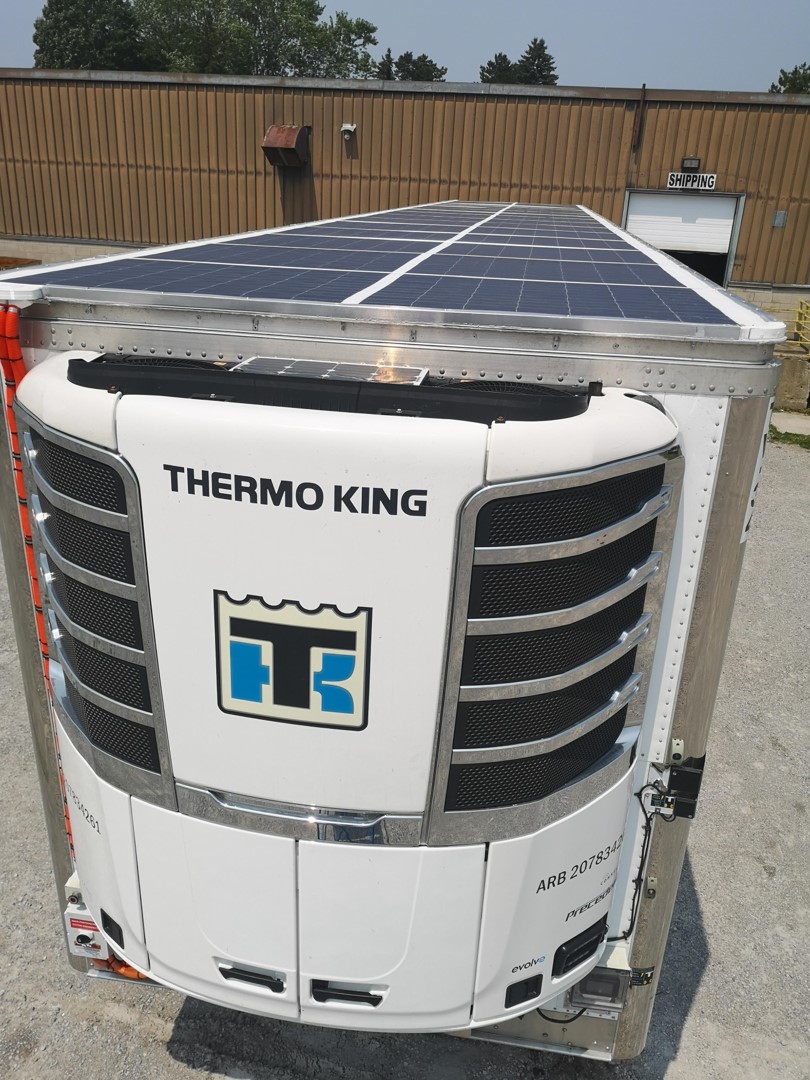
With the imperative to mitigate greenhouse gas (GHG) emissions looming large, the future of green freight presents an opportunity to bring forth innovative and sustainable solutions. Embracing a multifaceted approach that integrates renewable energy, cutting-edge technologies, and eco-conscious materials, freight transportation is undergoing a remarkable transformation, promising a cleaner and greener future.
At the heart of this evolution lies the integration of battery-electric power into freight operations, and in particular, refrigerated transport units (TRUs), which represents 30% of all goods transported over the road. The convergence of solar power and electromobility in refrigerated freight stands out as a game-changer, offering not only environmental benefits but also addresses practical challenges like battery longevity, weight reduction, reduced fuel and operating costs and reduced GHG emissions.
While hybrid electric options currently exist for TRU companies, the electric power is charged at the grid and diesel operates when the load is in transit. Battery Electric Vehicles (BEV) enable TRUs to operate on the road, but solar powered BEV allows for much smaller batteries and provides a significant buffer for self-sustaining power. By supporting battery life using solar power, battery weight is reduced, and cost is reduced.
One of the primary concerns in the adoption of electric vehicles (EVs) for freight transportation is range anxiety – the fear of running out of battery charge before reaching the destination. This apprehension is particularly pronounced in refrigerated transport, where maintaining optimal temperatures for perishable goods (food, medical supplies, pharmaceuticals, chemicals and hazardous materials) is paramount. Solar-powered electromobility technologies provide a reliable and sustainable source of energy to keep the batteries powering the refrigerated units,
charged on the go. By harnessing the power of the sun, refrigerated trucks can overcome range limitations and operate seamlessly across long distances, without the need for frequent recharging stops. The integration of solar power contributes to maximizing battery life and efficiency. This not only prolongs battery life but also enhances overall vehicle reliability and performance, ensuring smooth and uninterrupted freight transportation.
But the quest for sustainability extends beyond renewable power sources to encompass material innovation. For example, 3D printing emerges as a transformative force, offering a sustainable alternative to traditional manufacturing processes. By utilizing recycled plastics as feedstock, 3D printing technologies enable the production of lightweight and durable components, minimizing resource consumption and waste generation, not only reducing the carbon footprint of freight vehicles, but also fostering a circular economy by repurposing plastic waste into valuable assets.
Lightweight composites present a compelling solution to the perennial challenge of weight optimization, especially in refrigerated transport, where weight equals dollars. By leveraging advanced lightweight panel materials, manufacturers can significantly reduce vehicle weight without compromising structural integrity. This translates into enhanced fuel efficiency and lower emissions, as vehicles require less energy to propel their lighter payloads. As such, lightweight composites represent a cornerstone of sustainable freight, offering a win-win solution for both businesses and the environment.
Alongside material innovation, in-house solar panel lamination techniques play a crucial role in driving sustainability and job creation. By bringing lamination processes in-house, companies can streamline production workflows, minimizing transportation-related emissions, and create local employment opportunities. In Canada, where the green economy is poised for exponential growth, investing in and nurturing a skilled workforce fosters domestic manufacturing and catalyzes the transition towards a low-carbon future.
Finally, the realization of the full potential of green technology in refrigerated transport requires concerted efforts from all stakeholders. Governments must enact supportive policies and funding opportunities to incentivize investment in renewable energy in non-motive power. Refrigerated trailers are essential equipment. The value of transport is in the load, or, what is carried in the trailer. While government supports battery electric vehicles, nothing as such supports the refrigerated trailer, which is where the innovations need to happen. Industry players must collaborate to develop and deploy standardized solutions that meet the unique needs and requirements of freight and in particular, refrigerated transport.
Refrigerated freight solutions are paramount – as paramount as solutions for charging infrastructure – and adoption of innovative solutions will not happen until this is addressed.